

[Weekly_Wearable] Breakthrough Tech : 2nd Week of September 2025
Apple Watch Blood Pressure Monitoring FDA Approval: Medical Innovation or Premature Leap?

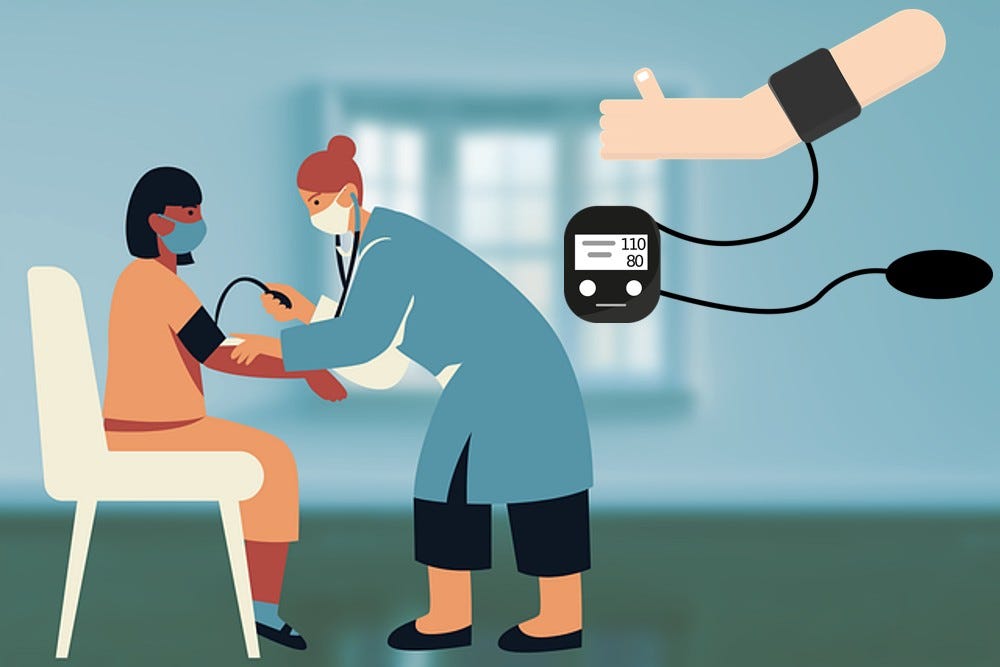
Breaking News: Apple Watch's hypertension alert feature has received FDA approval, but concerns persist among medical professionals and experts
🏥 FDA Approval and Launch Timeline
The U.S. Food and Drug Administration (FDA) approved Apple's new hypertension detection feature on Thursday, September 12, 2025. This feature will be available on Apple Watch Series 9 and later models, as well as Apple Watch Ultra 2 and later models, with restrictions for users under 22 years old or those already diagnosed with hypertension.
Apple announced it plans to provide this feature starting next week following FDA approval, with official service beginning September 15, 2025, through the watchOS 26 update.
🔬 Technical Features and Operating Principles
New Approach to Blood Pressure Measurement
This feature does not diagnose hypertension or measure specific blood pressure readings. Instead, it uses the watch's optical heart rate sensor to analyze vascular contraction and relaxation based on heartbeat patterns. Apple Watch utilizes technology that detects blood flow in the wrist using green LEDs and light-sensitive photodiodes.
Limitations and Characteristics of Detection Method
Importantly, this feature does not provide precise blood pressure readings. Data collected over time may show signs of hypertension. The system informs users whether blood pressure is trending upward and records what happens when hypertensive states occur.
📊 Market Impact and Medical Value
Addressing Undiagnosed Hypertension
Apple announced that this feature is estimated to help discover 1 million cases of undiagnosed hypertension within a year. This is expected to significantly help with early detection of hypertension, known as the "silent killer."
Medical Professional Consultation Integration
To prevent misdiagnosis, the system includes recommendations for consulting with doctors or using existing equipment capable of measuring accurate systolic and diastolic blood pressure values, complementing the limitations of wearable devices.
⚠️ Concerns and Limitations
1. Accuracy Issues and False Alarm Risks
While some smartwatches and fitness trackers are beginning to incorporate blood pressure measurement, this technology is not yet fully developed. Experts warn against trusting smartwatch blood pressure readings, noting these devices are notorious for being inaccurate.
Even home blood pressure monitors can be inaccurate in 5% to 15% of patients, depending on the accuracy standards used. For wearable devices, this percentage could be even higher.
2. Medical Professional Data Utilization Limitations
Currently, it remains unclear how doctors should interpret blood pressure data collected from fitness trackers or watches, even if there are reliable methods to verify the accuracy of cuffless devices.
3. Risk of Incorrect Treatment Decisions
Inaccurate measurements that appear too high or too low can trigger unnecessary hospital visits and may influence doctors' decisions to initiate treatment.
4. Concerns About Over-Medicalization
Continuous health indicator monitoring by wearable devices risks causing users to become overly obsessed with their health or misinterpret normal physiological changes as diseases. This can be particularly stressful for individuals with health anxiety disorders.
5. Regulatory and Approval Process Issues
The FDA sent a warning letter to Whoop, claiming the company was marketing unapproved medical devices intended to diagnose, treat, or prevent diseases. This demonstrates that regulation of medical functions in wearable devices remains strict.
🔍 Expert Precautions
Medical Professional Recommendations
Continue Traditional Blood Pressure Methods: Use wearable device alerts only as reference, and always use medical-grade blood pressure monitors for accurate diagnosis.
Mandatory Doctor Consultation: When wearable devices show suspected hypertension alerts, avoid self-diagnosis and always consult medical professionals.
Continuous Monitoring: Don't judge based on a single measurement or alert; identify patterns through multiple measurements.
User Precautions
Psychological Preparation for False Alarms: Recognize the possibility of incorrect alerts due to technological limitations and avoid excessive worry.
Consider Lifestyle Factors: Understand that stress, caffeine intake, post-exercise conditions, and other factors can temporarily affect blood pressure.
Utilize Data Recording: Use wearable device data as reference material during medical consultations, but never as absolute diagnostic evidence.
🚀 Future Prospects and Significance
New Chapter in Wearable Healthcare
This FDA approval represents an important milestone where wearable devices gain official recognition in the medical field, beyond simple feature additions. However, it also sparks new discussions about technological limitations and medical responsibility.
Transition to Prevention-Centered Healthcare
This feature positions Apple Watch as a powerful proactive health monitoring tool, providing timely warnings about serious but asymptomatic health risks. However, care must be taken to prevent such "prevention" from leading to excessive medicalization.
💡 Key Points
Approval Complete: FDA official approval (September 12, 2025)
Launch Schedule: September 15, 2025, via watchOS 26 update
Target Devices: Apple Watch Series 9+, Ultra 2+
Usage Restrictions: Excludes users under 22 and existing hypertension patients
Function: Blood pressure elevation detection and alerts (not precise measurement)
Medical Value: Expected to discover 1 million undiagnosed hypertension cases annually
Major Concerns: Accuracy limitations, false alarm risks, potential over-medicalization
🎯 Conclusion: Innovation Requiring Careful Approach
Apple Watch's hypertension detection feature is undoubtedly innovative technology that can help many people manage their health. However, considering current technological limitations and medical concerns, users should utilize this feature as a supplementary tool while still relying on medical professional consultations and validated medical devices for accurate diagnosis and treatment.
The future of wearable healthcare is bright, but the path forward must be walked carefully and responsibly.
6. Privacy and Data Security Concerns
Continuous health monitoring raises questions about how sensitive medical data is stored, transmitted, and potentially shared. Users may be concerned about:
Data Ownership: Who controls the collected health data?
Third-Party Access: Could insurance companies or employers access this information?
Data Breaches: What happens if health data is compromised?
Long-term Storage: How long is this sensitive information retained?
7. Healthcare System Burden
The widespread adoption of health monitoring wearables could potentially:
Increase Healthcare Visits: More people seeking medical attention for false positives
Resource Allocation: Healthcare systems may need to adapt to handle increased screening demands
Training Requirements: Medical professionals may need additional training to interpret wearable device data
Cost Implications: Potential increases in healthcare costs due to over-testing and unnecessary procedures
8. Socioeconomic Disparities
The integration of advanced health monitoring features may:
Widen Health Gaps: Only those who can afford premium devices benefit from early detection
Create Digital Divide: Disadvantaged populations may lack access to preventive health technology
Insurance Implications: Potential discrimination based on device usage or non-usage
Apple Watch's hypertension detection feature approval represents a significant milestone in wearable devices evolving from simple fitness trackers to substantial medical assistance tools.
However, a balanced approach that acknowledges technological limitations while respecting medical professional expertise is needed at this juncture.